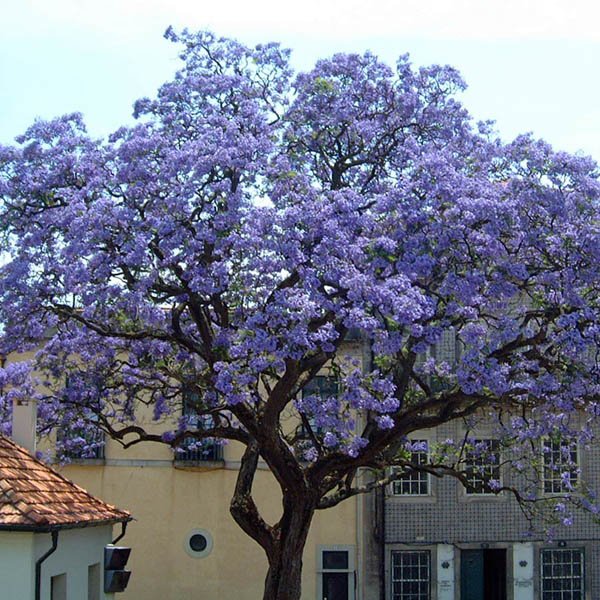
Botanical Name: Actinidia arguta
Common Name: hardy kiwi vine
Family: Actinidiaceae
Distribution/Origin: China
Leaf: simple, alternate, serrated margins, smooth texture, oblong/ovate, dark green, red petioles
Bud: fruiting spurs have buds closely spaced out, one leaf per node
Flower: separate male and female flowers, fragrant, white-cream colored, singlets to triplets in axels
Fruit/Seed: small grape sized fruits, hairless, multiple seeds, small, black-brown in color
Stem/Bark: thick vertical water shoots, brown-grey in color, thin and smooth, heavily lenticiled
Size: 12-20’ height, 3-5’ spread
Habit: twining, climbing, spreading, lateral branching
Form: massing, mounding, round
Soil Conditions: adaptable as long as low salt content, well drained
Moisture: consistent moisture, doesn’t handle drought well
Sun: full sun to partial shade
Exposure: can handle later frosts in fall
Landscape Use: food garden, trellis, walls, pergola
Notes: kiwi is named after the fuzzy brown kiwi- that is New Zealands nation bird


Botanical Name: Actinidia deliciosa
Common Name: kiwi
Family: Actinidiaceae
Distribution/Origin: China
Leaf: round, fuzzy petioles, heavily lenticiled stems, oval-circular, cordate at base, young leaves with red hairs, mature leaves smooth with downy light veins on underside, serrate margins
Bud: alternate
Flower: separate male and female plants, borne singly or in 3’s in leaf axils,
Fruit/Seed: fuzzy rough texture, berry, green insides with multiple small black seeds
Stem/Bark: reproductive shoots are short, vegetative shoots vigorous and long, grey, exfoliating
Size: 5-7m height, 1.5-2m spread
Habit: rapid growth, spreading, massing, climbing shrub
Form: mounding, rounded
Soil Conditions: moderate well drained soil
Moisture:
Sun: full sun
Exposure: needs 250 days frost free
Landscape Use: food garden, trellis, pergola, wall, fence
Notes: grows at natural altitudes of 600-2000m

Common Name: kiwi
Family: Actinidiaceae
Distribution/Origin: China
Leaf: round, fuzzy petioles, heavily lenticiled stems, oval-circular, cordate at base, young leaves with red hairs, mature leaves smooth with downy light veins on underside, serrate margins
Bud: alternate
Flower: separate male and female plants, borne singly or in 3’s in leaf axils,
Fruit/Seed: fuzzy rough texture, berry, green insides with multiple small black seeds
Stem/Bark: reproductive shoots are short, vegetative shoots vigorous and long, grey, exfoliating
Size: 5-7m height, 1.5-2m spread
Habit: rapid growth, spreading, massing, climbing shrub
Form: mounding, rounded
Soil Conditions: moderate well drained soil
Moisture:
Sun: full sun
Exposure: needs 250 days frost free
Landscape Use: food garden, trellis, pergola, wall, fence
Notes: grows at natural altitudes of 600-2000m
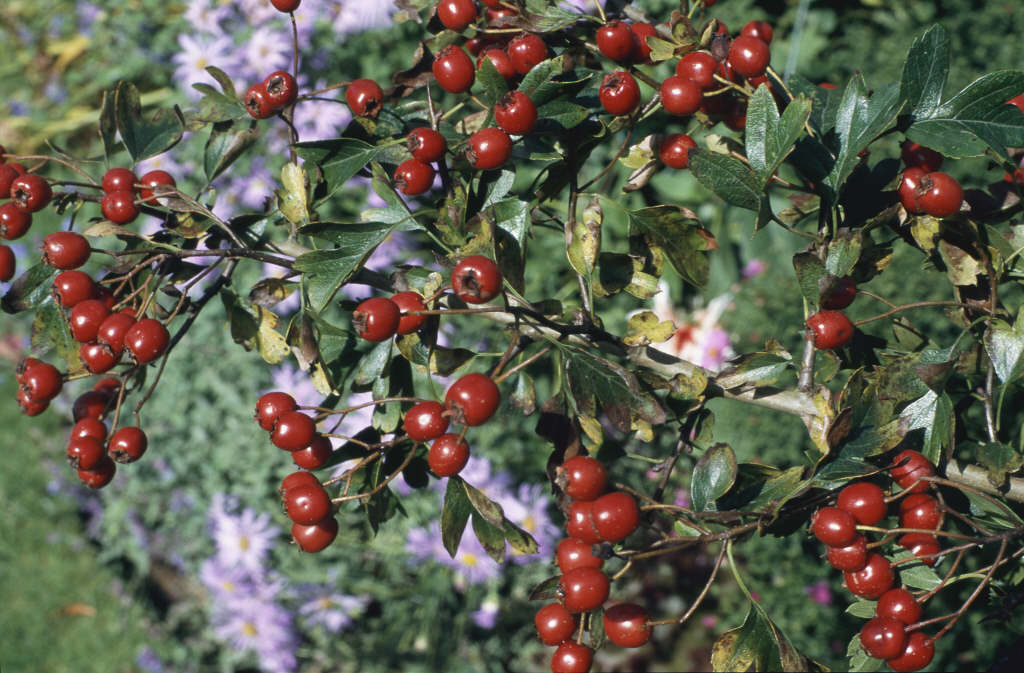
Botanical Name: Crataegus monogyna
Common Name: common hawthorn
Family: Roseaceae
Distribution/Origin:
Leaf: deeply divided, obovate, dark green surface with pale underside
Bud:
Flower: simple, corymb, moderately fragrant, red stamens, white petals
Fruit/Seed: swollen receptacle that is a pome, small, red, contains single seed
Stem/Bark: thorny, dull brown with orange cracks
Size: 20-25’ height, 20-25’ spread
Habit: suckers when cut to base, bushy
Form: globose, round, dense, twiggy
Soil Conditions: adaptable, well draining
Moisture: consistent moisture
Sun: full sun to partial shade
Exposure:
Landscape Use: hedgerow, windbreak
Notes: amulets were carved out of hawthorn in an attempt to ward off evil spirits or demons, they were worn or hung above a door
Common Name: common hawthorn
Family: Roseaceae
Distribution/Origin:
Leaf: deeply divided, obovate, dark green surface with pale underside
Bud:
Flower: simple, corymb, moderately fragrant, red stamens, white petals
Fruit/Seed: swollen receptacle that is a pome, small, red, contains single seed
Stem/Bark: thorny, dull brown with orange cracks
Size: 20-25’ height, 20-25’ spread
Habit: suckers when cut to base, bushy
Form: globose, round, dense, twiggy
Soil Conditions: adaptable, well draining
Moisture: consistent moisture
Sun: full sun to partial shade
Exposure:
Landscape Use: hedgerow, windbreak
Notes: amulets were carved out of hawthorn in an attempt to ward off evil spirits or demons, they were worn or hung above a door
Botanical Name: Crataegus phaenopyrum
Common Name: Washington hawthorn
Family: Roseaceae
Distribution/Origin: south eastern United States
Leaf: alternate, broadly ovate, 3 major lobes, doubly serrated margins, diamond shape
Bud: fuzzy, alternate
Flower: white, clusters of corymbs
Fruit/Seed: pendulous clusters, bright red to orange, pome, high in vitamin C
Stem/Bark: exfoliating, thorny, twiggy in appearance
Size: 20-30’ height, 20-30’ spread
Habit: upright, oval in youth, spreading, rounded with age, densely branching
Form: mounding, round, ovoid if not pruned
Soil Conditions: tolerant of poor soils, compacted, drought, well draining
Moisture: even moisture
Sun: full sun to partial shade
Exposure: extremely tolerant to most unfavourable conditions
Landscape Use: streets, yards, can be pruned to hedge
Notes: seeds are poisonous if ingested

Common Name: Washington hawthorn
Family: Roseaceae
Distribution/Origin: south eastern United States
Leaf: alternate, broadly ovate, 3 major lobes, doubly serrated margins, diamond shape
Bud: fuzzy, alternate
Flower: white, clusters of corymbs
Fruit/Seed: pendulous clusters, bright red to orange, pome, high in vitamin C
Stem/Bark: exfoliating, thorny, twiggy in appearance
Size: 20-30’ height, 20-30’ spread
Habit: upright, oval in youth, spreading, rounded with age, densely branching
Form: mounding, round, ovoid if not pruned
Soil Conditions: tolerant of poor soils, compacted, drought, well draining
Moisture: even moisture
Sun: full sun to partial shade
Exposure: extremely tolerant to most unfavourable conditions
Landscape Use: streets, yards, can be pruned to hedge
Notes: seeds are poisonous if ingested
Botanical Name: Cydonia oblonga
Common Name: quince
Family: Roseaceae
Distribution/Origin: south west Asia
Leaf: pubescent, broadly ovate, alternate
Bud: alternate
Flower: solitary
Fruit/Seed: pome, resembles pear, deep grooves on base, leathery texture
Stem/Bark: ribbed vertically, buttressed
Size: 16-26’ height, 13-20’ spread
Habit: suckering when young, will form to thicket with age
Form: dense, shrubby
Soil Conditions: damp, rich soils
Moisture: even moisture
Sun: partial shade to deep shade
Exposure:
Landscape Use: hedge, open space, woodland garden
Notes: Turkey produces ¼ of the worlds Quince

Common Name: quince
Family: Roseaceae
Distribution/Origin: south west Asia
Leaf: pubescent, broadly ovate, alternate
Bud: alternate
Flower: solitary
Fruit/Seed: pome, resembles pear, deep grooves on base, leathery texture
Stem/Bark: ribbed vertically, buttressed
Size: 16-26’ height, 13-20’ spread
Habit: suckering when young, will form to thicket with age
Form: dense, shrubby
Soil Conditions: damp, rich soils
Moisture: even moisture
Sun: partial shade to deep shade
Exposure:
Landscape Use: hedge, open space, woodland garden
Notes: Turkey produces ¼ of the worlds Quince
Botanical Name: Diospyros kaki
Common Name: persimmon
Family: Ebenaceae
Distribution/Origin: China
Leaf: large basal bracts, leathery ovate leaves, near black stems
Bud: alternate, terminal buds
Flower: females creamy yellow single blossoms, male pink tinge grown in 3’s
Fruit/Seed: smooth, shiny, thin, orange in color, up to 8 seeds
Stem/Bark: deeply plated bark
Size: 39’ height, 23’ spread
Habit: erect, crooked growth
Form: round, open top canopy
Soil Conditions: well draining
Moisture: enjoys heat, dry soil, prefers moist
Sun: full sun, tolerates some shade but yield will be lower
Exposure: shelter from house/deck/trees, frost tender
Landscape Use: ornamental landscape tree, pruned to hedge, edible food crop
Notes: dios is greek for ‘divine’, while pyros translates to “wheat or grain”, thus “divine fruit”

Common Name: persimmon
Family: Ebenaceae
Distribution/Origin: China
Leaf: large basal bracts, leathery ovate leaves, near black stems
Bud: alternate, terminal buds
Flower: females creamy yellow single blossoms, male pink tinge grown in 3’s
Fruit/Seed: smooth, shiny, thin, orange in color, up to 8 seeds
Stem/Bark: deeply plated bark
Size: 39’ height, 23’ spread
Habit: erect, crooked growth
Form: round, open top canopy
Soil Conditions: well draining
Moisture: enjoys heat, dry soil, prefers moist
Sun: full sun, tolerates some shade but yield will be lower
Exposure: shelter from house/deck/trees, frost tender
Landscape Use: ornamental landscape tree, pruned to hedge, edible food crop
Notes: dios is greek for ‘divine’, while pyros translates to “wheat or grain”, thus “divine fruit”
Botanical Name: Ficus carica
Common Name: common fig
Family: Moraceae
Distribution/Origin: Europe, western Asia, North Africa
Leaf: deep sinuses, palmately lobed, indumented underside, rough surfaces
Bud: alternate, buds rounded, terminal bud pointed
Flower: inflorescence contained inside fruit, synconium
Fruit/Seed: swollen stem
Stem/Bark: thin, smooth, grey
Size: 10-20’ height, 10-20’ spread
Habit: grows vegetatively, can become arborescent, upright
Form: rounded
Soil Conditions: well drained, organically rich
Moisture: dry
Sun: full sun
Exposure: sheltered locations
Landscape Use: food garden, beds
Notes: tiny wasps burrow into the fruit, pollinating the inner flowers unknowingly, where they lay their eggs.

Common Name: common fig
Family: Moraceae
Distribution/Origin: Europe, western Asia, North Africa
Leaf: deep sinuses, palmately lobed, indumented underside, rough surfaces
Bud: alternate, buds rounded, terminal bud pointed
Flower: inflorescence contained inside fruit, synconium
Fruit/Seed: swollen stem
Stem/Bark: thin, smooth, grey
Size: 10-20’ height, 10-20’ spread
Habit: grows vegetatively, can become arborescent, upright
Form: rounded
Soil Conditions: well drained, organically rich
Moisture: dry
Sun: full sun
Exposure: sheltered locations
Landscape Use: food garden, beds
Notes: tiny wasps burrow into the fruit, pollinating the inner flowers unknowingly, where they lay their eggs.
Botanical Name: Malus
floribunda
Common Name: crabapple
Family: Rosaceae
Distribution/Origin: Japan
Leaf: simple, serrate margins, elliptic to oval
Bud: crimson in color, alternate
Flower: pink to white flowers, fragrant, simple, clusters
Fruit/Seed: round, fleshy, yellow to red
Stem/Bark: ridged and plated, exfoliating
Size: 15-25’ height, 15-25’ spread
Habit: arching, multi trunked
Form: round headed, dense canopy, irregular
Soil Conditions: well drained, clay sand loam, well adapted to variety of soils
Moisture: moderate drought tolerance, prefers even moisture
Sun: full sun
Exposure:
Landscape Use: deck, patio, backyard scape, lawn tree
Notes: Not overly tasty to consume but the fruit can be made into jellys and cider

Common Name: crabapple
Family: Rosaceae
Distribution/Origin: Japan
Leaf: simple, serrate margins, elliptic to oval
Bud: crimson in color, alternate
Flower: pink to white flowers, fragrant, simple, clusters
Fruit/Seed: round, fleshy, yellow to red
Stem/Bark: ridged and plated, exfoliating
Size: 15-25’ height, 15-25’ spread
Habit: arching, multi trunked
Form: round headed, dense canopy, irregular
Soil Conditions: well drained, clay sand loam, well adapted to variety of soils
Moisture: moderate drought tolerance, prefers even moisture
Sun: full sun
Exposure:
Landscape Use: deck, patio, backyard scape, lawn tree
Notes: Not overly tasty to consume but the fruit can be made into jellys and cider
Botanical Name: Malus
x domestica
Common Name: apple tree
Family: Rosaceae
Distribution/Origin: central Asia
Leaf: simple, serrated margin
Bud: alternate
Flower: cyme, white to pink, perfect
Fruit/Seed: pome, hard skin, accessory tissue, fleshy
Stem/Bark: young bark has prominent lenticels, with age it becomes scaly with thin flaking plates
Size: 6-15’ height, 6-10’ spread
Habit: dense twiggy crown, low spreading
Form: upright, round, dome shaped
Soil Conditions: loam, clay, sand, well drained
Moisture: moist
Sun: full sun to partial shade
Exposure:
Landscape Use: food garden, ornamental interest, focal point
Notes: Johnny Appleseed was a real person who grew apples by grafting during the early days of the United States and sold them to settlers, who were encouraged to plant fruiting trees to cultivate the land

Common Name: apple tree
Family: Rosaceae
Distribution/Origin: central Asia
Leaf: simple, serrated margin
Bud: alternate
Flower: cyme, white to pink, perfect
Fruit/Seed: pome, hard skin, accessory tissue, fleshy
Stem/Bark: young bark has prominent lenticels, with age it becomes scaly with thin flaking plates
Size: 6-15’ height, 6-10’ spread
Habit: dense twiggy crown, low spreading
Form: upright, round, dome shaped
Soil Conditions: loam, clay, sand, well drained
Moisture: moist
Sun: full sun to partial shade
Exposure:
Landscape Use: food garden, ornamental interest, focal point
Notes: Johnny Appleseed was a real person who grew apples by grafting during the early days of the United States and sold them to settlers, who were encouraged to plant fruiting trees to cultivate the land
Botanical Name: Mespilus
germanica
Common Name: European medlar
Family: Rosaceae
Distribution/Origin: Europe, south western Asia
Leaf: elliptic, densely hairy undersides
Bud: alternate, scaled, terminal buds with down present
Flower: white, broadly ovate, hermaphrodite
Fruit/Seed: pome, wide spreading sepals, central pit
Stem/Bark: deep vertical cracks, rectangular plates
Size: up to 20’ height, up to 25’ spread
Habit: spiny twisted branching
Form: rounded
Soil Conditions: well drained, adaptable to variety of soils, thrives in deep fertile areas
Moisture: more on the dry side
Sun: semi shade, full sun
Exposure: can tolerate strong winds
Landscape Use: dappled shade, sunny locations, ornamental
Notes: Genus name comes from Greek, “mesos” (half) and “pilos” (ball)

Common Name: European medlar
Family: Rosaceae
Distribution/Origin: Europe, south western Asia
Leaf: elliptic, densely hairy undersides
Bud: alternate, scaled, terminal buds with down present
Flower: white, broadly ovate, hermaphrodite
Fruit/Seed: pome, wide spreading sepals, central pit
Stem/Bark: deep vertical cracks, rectangular plates
Size: up to 20’ height, up to 25’ spread
Habit: spiny twisted branching
Form: rounded
Soil Conditions: well drained, adaptable to variety of soils, thrives in deep fertile areas
Moisture: more on the dry side
Sun: semi shade, full sun
Exposure: can tolerate strong winds
Landscape Use: dappled shade, sunny locations, ornamental
Notes: Genus name comes from Greek, “mesos” (half) and “pilos” (ball)
Botanical Name: Morus
alba
Common Name: white mulberry
Family: Moraceae
Distribution/Origin: China
Leaf: alternate, simple, toothed, varying lobes, slight pubescent on veins and vein axils
Bud: alternate
Flower: male and female flowers on separate plants, male catkins, female in short spikes
Fruit/Seed: multiple seeded berries, color range of black-pink-white, a single tree is estimated to produce 20 million seeds
Stem/Bark: young bark is bright orange, old bark is grey with narrow irregular fissures, splits easily
Size: 30-50’ height, 30-40’ spread
Habit: upright
Form: oval
Soil Conditions: will grow in most soils except wet areas, well draining
Moisture: even moisture
Sun: full sun
Exposure: urban and salt tolerant
Landscape Use: accent plant, attracts birds, specimen plant
Notes: introduced to the US during colonial times for the purpose of establishing the silkworm industry

Common Name: white mulberry
Family: Moraceae
Distribution/Origin: China
Leaf: alternate, simple, toothed, varying lobes, slight pubescent on veins and vein axils
Bud: alternate
Flower: male and female flowers on separate plants, male catkins, female in short spikes
Fruit/Seed: multiple seeded berries, color range of black-pink-white, a single tree is estimated to produce 20 million seeds
Stem/Bark: young bark is bright orange, old bark is grey with narrow irregular fissures, splits easily
Size: 30-50’ height, 30-40’ spread
Habit: upright
Form: oval
Soil Conditions: will grow in most soils except wet areas, well draining
Moisture: even moisture
Sun: full sun
Exposure: urban and salt tolerant
Landscape Use: accent plant, attracts birds, specimen plant
Notes: introduced to the US during colonial times for the purpose of establishing the silkworm industry
Botanical Name: Prunus
armeniaca
Common Name: apricot
Family: Rosaceae
Distribution/Origin: Asia
Leaf: oval, toothed margins, pointed apex
Bud: alternate
Flower: pairs or solitary, shortly stalked, white tinged with pink
Fruit/Seed: drupe, surface can be either glabrous or velvety with short hairs, firm flesh, yellow to orange, single seed enclosed in a hard shell
Stem/Bark: greyish brown, full of cracks
Size: 26-39’ height, up to 19’ spread
Habit: spreading canopy
Form: rounded
Soil Conditions: well drained, average
Moisture: medium
Sun: full sun
Exposure: sheltered locations
Landscape Use: fruit crop, ornamental
Notes: the Italian liqueur Amaretto is flavoured with the kernels of apricots

Common Name: apricot
Family: Rosaceae
Distribution/Origin: Asia
Leaf: oval, toothed margins, pointed apex
Bud: alternate
Flower: pairs or solitary, shortly stalked, white tinged with pink
Fruit/Seed: drupe, surface can be either glabrous or velvety with short hairs, firm flesh, yellow to orange, single seed enclosed in a hard shell
Stem/Bark: greyish brown, full of cracks
Size: 26-39’ height, up to 19’ spread
Habit: spreading canopy
Form: rounded
Soil Conditions: well drained, average
Moisture: medium
Sun: full sun
Exposure: sheltered locations
Landscape Use: fruit crop, ornamental
Notes: the Italian liqueur Amaretto is flavoured with the kernels of apricots
Botanical Name: Prunus
domestica
Common Name: plum
Family: Rosaceae
Distribution/Origin: western Europe
Leaf: oval to oblong, serrated or wavy margins
Bud: alternate
Flower: clusters, 5 petals, white
Fruit/Seed: round to oval drupe, hard stony flattened pit
Stem/Bark: thin, smooth, lenticels present
Size: 8-10’ height, 8-10’ spread
Habit: upright
Form: rounding out with age
Soil Conditions: well drained, loam clay
Moisture: evenly moist
Sun: full sun
Exposure: sheltered
Landscape Use: food garden, ornamental interest
Notes: one of the first fruits domesticated by humans

Common Name: plum
Family: Rosaceae
Distribution/Origin: western Europe
Leaf: oval to oblong, serrated or wavy margins
Bud: alternate
Flower: clusters, 5 petals, white
Fruit/Seed: round to oval drupe, hard stony flattened pit
Stem/Bark: thin, smooth, lenticels present
Size: 8-10’ height, 8-10’ spread
Habit: upright
Form: rounding out with age
Soil Conditions: well drained, loam clay
Moisture: evenly moist
Sun: full sun
Exposure: sheltered
Landscape Use: food garden, ornamental interest
Notes: one of the first fruits domesticated by humans
Botanical Name: Prunus
persica
Common Name: peach
Family: Rosaceae
Distribution/Origin: China
Leaf: simple, lanceolate, serrated margins, often curve along midrib
Bud: blunt, grey and fuzzy, alternate
Flower: pink to lavender, simple, solitary but often close together
Fruit/Seed: fuzzy drupe, ribbed inside pit encloses seed, yellow to red
Stem/Bark: lenticels, splits and becomes irregular scaly
Size: up to 19’ height, up to 19’ spread
Habit: spreading crown
Form: spreading, open
Soil Conditions: well drained, fertile
Moisture: even moisture
Sun: full sun
Exposure:
Landscape Use: fruit garden, ornamental interest
Notes: leaves, twigs and stems are highly poisonous if ingested

Common Name: peach
Family: Rosaceae
Distribution/Origin: China
Leaf: simple, lanceolate, serrated margins, often curve along midrib
Bud: blunt, grey and fuzzy, alternate
Flower: pink to lavender, simple, solitary but often close together
Fruit/Seed: fuzzy drupe, ribbed inside pit encloses seed, yellow to red
Stem/Bark: lenticels, splits and becomes irregular scaly
Size: up to 19’ height, up to 19’ spread
Habit: spreading crown
Form: spreading, open
Soil Conditions: well drained, fertile
Moisture: even moisture
Sun: full sun
Exposure:
Landscape Use: fruit garden, ornamental interest
Notes: leaves, twigs and stems are highly poisonous if ingested
Botanical Name: Pyrus
communis
Common Name: pear
Family: Rosaceae
Distribution/Origin: Europe, Asia
Leaf: simple, ovate, serrated margin, shiny on top, dull undersides
Bud: terminal buds conical to dome shaped, sometimes lightly hairy,
Flower: corymbose, contains 5-7 flowers, white
Fruit/Seed: pyriform,
Stem/Bark: greyish brown, shallow furrows, flat topped scaly ridges
Size: up to 40’ height
Habit: narrow branching angles
Form: oval, conical
Soil Conditions: light to medium soils, well drained, can tolerate heavy
Moisture: even moisture, can tolerate drought
Sun: full sun to partial shade
Exposure:
Landscape Use: sunny edge, dappled shade, fruit garden
Notes: has been selected and improved since prehistoric times, first cultivated in Europe in 1000 BC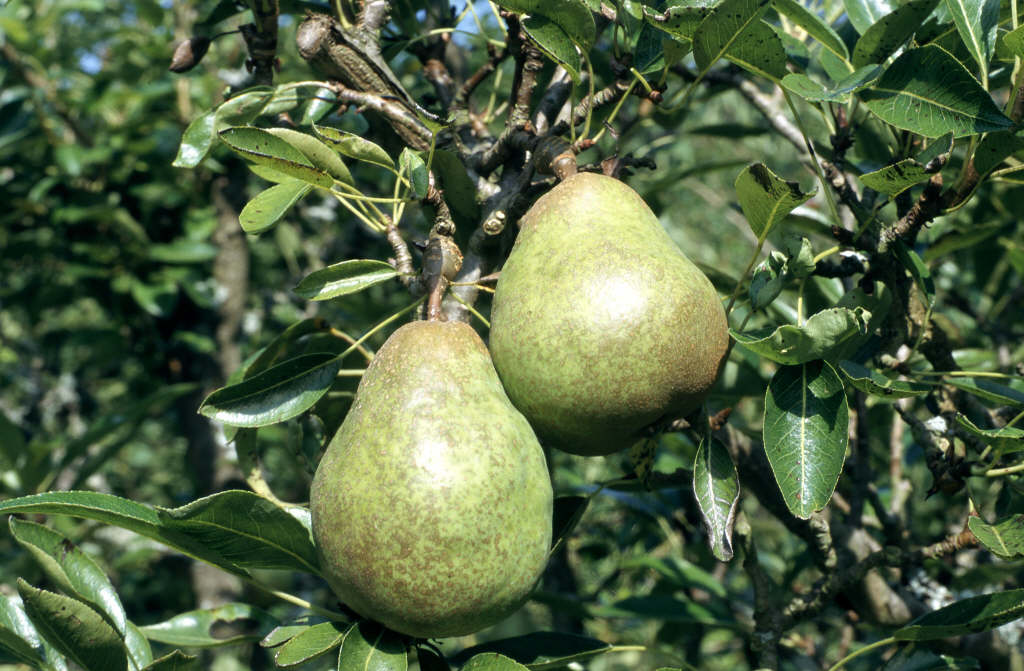

Common Name: pear
Family: Rosaceae
Distribution/Origin: Europe, Asia
Leaf: simple, ovate, serrated margin, shiny on top, dull undersides
Bud: terminal buds conical to dome shaped, sometimes lightly hairy,
Flower: corymbose, contains 5-7 flowers, white
Fruit/Seed: pyriform,
Stem/Bark: greyish brown, shallow furrows, flat topped scaly ridges
Size: up to 40’ height
Habit: narrow branching angles
Form: oval, conical
Soil Conditions: light to medium soils, well drained, can tolerate heavy
Moisture: even moisture, can tolerate drought
Sun: full sun to partial shade
Exposure:
Landscape Use: sunny edge, dappled shade, fruit garden
Notes: has been selected and improved since prehistoric times, first cultivated in Europe in 1000 BC
Botanical Name: Pyrus
pyrifolia
Common Name: apple pear
Family: Rosaceae
Distribution/Origin: east Asia
Leaf: simple, soft, glabrous, ovate with serrate margins
Bud: alternate
Flower: 5 petals, simple, grows in clusters, white, fragrant
Fruit/Seed: pome, gritty inner texture, hard flesh on outside until ripe
Stem/Bark: smooth, grey in youth, tan to brown in maturity with light fissuring
Size: 30-40’ height, 30-40’ spread
Habit: upright
Form: pyramidal, widely
Soil Conditions: light to medium soils, good drainage
Moisture: moist, can tolerate drought
Sun: full sun
Exposure:
Landscape Use: ornamental gardening, food garden
Notes: in cooking, ground up apple pears are used as a vinegar or soy sauced based sauces as a sweetener instead of sugar

Common Name: apple pear
Family: Rosaceae
Distribution/Origin: east Asia
Leaf: simple, soft, glabrous, ovate with serrate margins
Bud: alternate
Flower: 5 petals, simple, grows in clusters, white, fragrant
Fruit/Seed: pome, gritty inner texture, hard flesh on outside until ripe
Stem/Bark: smooth, grey in youth, tan to brown in maturity with light fissuring
Size: 30-40’ height, 30-40’ spread
Habit: upright
Form: pyramidal, widely
Soil Conditions: light to medium soils, good drainage
Moisture: moist, can tolerate drought
Sun: full sun
Exposure:
Landscape Use: ornamental gardening, food garden
Notes: in cooking, ground up apple pears are used as a vinegar or soy sauced based sauces as a sweetener instead of sugar
Botanical Name: Ribes
nigrum
Common Name: black current
Family: Grossulariaceae
Distribution/Origin: North America
Leaf: broad, simple, palmate lobes, serrated margins
Bud: alternate, overlapping scales
Flower: racemes, 10-20 flowers, hairy calyx with yellow glands,
Fruit/Seed: dark black berries, glossy skin, containing several seeds, fleshy
Stem/Bark: smooth, thin, lenticels present
Size: up to 5’ height, up to 5’ spread
Habit: dense, open, spreading, twiggy
Form: round
Soil Conditions: fertile, well drained
Moisture: intolerant of drought, even moisture
Sun: full sun
Exposure:
Landscape Use: hedgerow, small garden space, summer interest
Notes: during WWI most fruits rich in vitamin C became hard to obtain in the UK. As a result people were encouraged to grow black currants as they could withstand the climate and proved a valuable source.

Common Name: black current
Family: Grossulariaceae
Distribution/Origin: North America
Leaf: broad, simple, palmate lobes, serrated margins
Bud: alternate, overlapping scales
Flower: racemes, 10-20 flowers, hairy calyx with yellow glands,
Fruit/Seed: dark black berries, glossy skin, containing several seeds, fleshy
Stem/Bark: smooth, thin, lenticels present
Size: up to 5’ height, up to 5’ spread
Habit: dense, open, spreading, twiggy
Form: round
Soil Conditions: fertile, well drained
Moisture: intolerant of drought, even moisture
Sun: full sun
Exposure:
Landscape Use: hedgerow, small garden space, summer interest
Notes: during WWI most fruits rich in vitamin C became hard to obtain in the UK. As a result people were encouraged to grow black currants as they could withstand the climate and proved a valuable source.
Botanical Name: Ribes
uva-crispa
Common Name: gooseberry
Family: Grossulariaceae
Distribution/Origin: Europe
Leaf: rounded, deeply crenated margins, simple, palmate venation
Bud: alternate, narrowly tapering, sharply pointed
Flower: campanulate, perfect, clustered
Fruit/Seed: round, smooth, true berry, tart skins
Stem/Bark: yellow to brown in color, spiny stipules, prickles on some shoots, thin, smooth
Size: up to 4’ height, 3’ spread
Habit: straggling, bushy, thickly set branches with sharp spines, arching
Form: round, goblet shaped
Soil Conditions: well drained, sandy chalk loam
Moisture: even moisture
Sun: full sun to partial shade
Exposure: sheltered
Landscape Use: food garden, small garden space,
Notes: gooseberry was 19th century slang for “pubic hair” coming from the saying “babies are born under the gooseberry bush”

Common Name: gooseberry
Family: Grossulariaceae
Distribution/Origin: Europe
Leaf: rounded, deeply crenated margins, simple, palmate venation
Bud: alternate, narrowly tapering, sharply pointed
Flower: campanulate, perfect, clustered
Fruit/Seed: round, smooth, true berry, tart skins
Stem/Bark: yellow to brown in color, spiny stipules, prickles on some shoots, thin, smooth
Size: up to 4’ height, 3’ spread
Habit: straggling, bushy, thickly set branches with sharp spines, arching
Form: round, goblet shaped
Soil Conditions: well drained, sandy chalk loam
Moisture: even moisture
Sun: full sun to partial shade
Exposure: sheltered
Landscape Use: food garden, small garden space,
Notes: gooseberry was 19th century slang for “pubic hair” coming from the saying “babies are born under the gooseberry bush”
Botanical
Name: Rubus idaeus
Common Name: raspberry
Family: Rosaceae
Distribution/Origin: Europe, northern Asia
Leaf: pinnately compound, prickly surfaces, tomentose surfaces
Bud: overlapping scales, alternate
Flower: short racemes, 5 white petals
Fruit/Seed: aggregate of drupelets, central core, red
Stem/Bark: thin and smooth, small prickles, exfoliating
Size: up to 6’ height by 5’ spread
Habit: arching, irregular, spreading, twiggy, upright
Form: rounded
Soil Conditions: well drained, sandy loams
Moisture: even moisture
Sun: semi shade
Exposure:
Landscape Use: food garden, against houses or fence, low screen
Notes: name comes from Latin, “rubus” which means red and “ida” which is the name of the mountain in Phrygia where it grew abundantly.

Common Name: raspberry
Family: Rosaceae
Distribution/Origin: Europe, northern Asia
Leaf: pinnately compound, prickly surfaces, tomentose surfaces
Bud: overlapping scales, alternate
Flower: short racemes, 5 white petals
Fruit/Seed: aggregate of drupelets, central core, red
Stem/Bark: thin and smooth, small prickles, exfoliating
Size: up to 6’ height by 5’ spread
Habit: arching, irregular, spreading, twiggy, upright
Form: rounded
Soil Conditions: well drained, sandy loams
Moisture: even moisture
Sun: semi shade
Exposure:
Landscape Use: food garden, against houses or fence, low screen
Notes: name comes from Latin, “rubus” which means red and “ida” which is the name of the mountain in Phrygia where it grew abundantly.
Botanical Name: Vaccinium
corymbosum
Common Name: blueberries
Family: Ericaceae
Distribution/Origin: eastern North America
Leaf: waxy, slightly serrated, simple, elliptic to ovate
Bud: alternate
Flower: long, bell to urn shaped, white to light pink, raceme
Fruit/Seed: true berry, blue to black
Stem/Bark: exfoliating, peeling
Size: 6-12’ height, 6-10’ spread
Habit: clumping
Form: vase, shrubby
Soil Conditions: well drained, rich, lime free
Moisture: dry to medium
Sun: full sun to partial shade
Exposure: shelter from strong winds
Landscape Use: beds, borders, waterside
Notes: important food source for the Native people of North America for centuries, being wildly foraged. Cultivated varieties only started occurring in the 1800’s, making it one of the most recently domesticated food crops.

Common Name: blueberries
Family: Ericaceae
Distribution/Origin: eastern North America
Leaf: waxy, slightly serrated, simple, elliptic to ovate
Bud: alternate
Flower: long, bell to urn shaped, white to light pink, raceme
Fruit/Seed: true berry, blue to black
Stem/Bark: exfoliating, peeling
Size: 6-12’ height, 6-10’ spread
Habit: clumping
Form: vase, shrubby
Soil Conditions: well drained, rich, lime free
Moisture: dry to medium
Sun: full sun to partial shade
Exposure: shelter from strong winds
Landscape Use: beds, borders, waterside
Notes: important food source for the Native people of North America for centuries, being wildly foraged. Cultivated varieties only started occurring in the 1800’s, making it one of the most recently domesticated food crops.